Grains and Starches
Whole grains, starchy vegetables, and legumes can anchor weekly menus. Rotating sources across the week adds variety to texture and flavor profiles.
Educational content only: This page discusses general meal variety and kitchen planning ideas. It is not medical advice, regulated nutrition therapy, or personalized dietary instruction. Speak with a qualified Canadian professional before making changes related to a medical condition.
This page shares general educational ideas about structuring meals with variety and awareness for everyday home cooking. Nothing here replaces advice from a qualified medical or nutrition professional in Canada.
Food balance, in the context of home meal planning, refers to including a range of food groups across your week rather than pursuing perfection at every single plate. The goal is sustainable variety.
We encourage thinking in weekly patterns instead of individual meals, which can make day-to-day kitchen decisions simpler and more flexible over time.
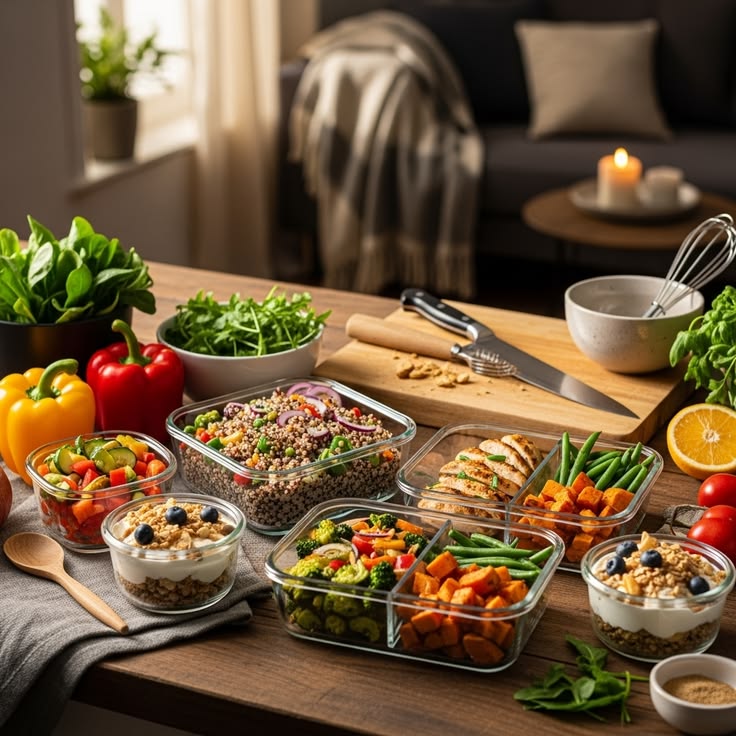
Whole grains, starchy vegetables, and legumes can anchor weekly menus. Rotating sources across the week adds variety to texture and flavor profiles.
Including different protein sources throughout the week keeps menus interesting. Examples include beans, tofu, poultry, fish, and eggs prepared in varied styles.
Cooking oils, nuts, seeds, and avocados add flavor and richness to dishes. Using different sources across meals prevents monotony in taste and preparation method.
A common visual reference suggests filling roughly half a dinner plate with vegetables and fruits, one quarter with protein, and one quarter with grains or starchy foods. This is a general layout idea, not a rule for every person.
Some home cooks use their hand as a rough visual guide: a palm-sized protein portion, a fist-sized grain serving, and two cupped hands for leafy greens. Adjust portions to your household needs.
Pre-portioning cooked components into reusable containers at the start of the week can simplify daily assembly and keep servings consistent for your household.
Taking time to eat without distractions can make meals more enjoyable. This is a general kitchen routine suggestion, not a therapeutic or medical practice.
Different colored vegetables and fruits can make weekly menus more visually appealing. Including multiple colors across your grocery shop is a simple way to add variety.
Ontario farmers markets and grocery stores rotate their selections seasonally. Aligning purchases with local availability often means fresher ingredients at reasonable prices.
Freezing, pickling, and drying extend the usefulness of seasonal abundance. We include storage notes in our meal plans to reduce spoilage.
Beyond serving sizes and food categories, how meals are prepared and served can shape the kitchen experience. Sitting down without distractions and tasting food attentively can make routine meals more enjoyable. These are general lifestyle suggestions, not medical or therapeutic services.
Water, herbal teas, and broth-based soups can be included in weekly meal plans as everyday beverage options. We note beverage ideas in extended plans where relevant to menu flow.
Plant-forward dinners with legumes or tofu as primary protein sources.
Fish or poultry preparations paired with roasted vegetables and whole grains.
Flexible meals using leftover components from earlier in the week.
Batch cooking session to prepare grains, proteins, and chopped vegetables for the coming week.
Learn about our personalized planning packages and how balance principles are applied in custom weekly schedules.
Return to our main page for an overview of Bonesbeauty and our approach to smart meal planning.
Ask questions about how food balance concepts can be incorporated into a plan for your household.
Our team can integrate these educational concepts into a personalized meal schedule tailored to your preferences and routine.
Get in Touch